Finance Matters Insights
Autumn Budget 2026: What to Watch Before the Chancellor’s Announcement
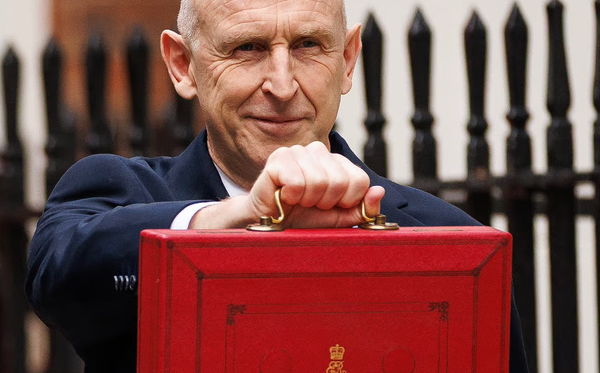
The Autumn Budget will be delivered this Wednesday, and there is no shortage of speculation about what may be announced.
Last week, I attended a pre-Budget briefing at 10 Downing Street with the Chancellor where we discussed some issues affecting households, businesses and young people.
Whilst it was helpful to hear more about the wider priorities shaping the conversation, until the Chancellor stands at the despatch box this week, everything remains speculation.
🏛️ What happens on Budget day
The Budget is where the Chancellor sets out the Government's plans for taxation, spending and the wider economy.
Alongside the speech, the Office for Budget Responsibility (OBR) will publish its latest economic and fiscal forecast. This is an independent assessment of areas including economic growth, inflation, borrowing and debt, as well as whether the Government is expected to meet its fiscal rules.
These forecasts matter because they influence how much flexibility the Chancellor has. A weaker economic outlook or higher borrowing costs can leave less room for tax cuts or additional spending. Stronger forecasts can create more headroom.
It is worth noting that the speech tends to produce the biggest headlines, but the supporting documents often contain the detail that determines who is affected, when a change will begin and how it will work.
❓What to look out for
There are a few areas likely to be particularly relevant to household and business finances:
- Personal taxes
- Savings, investments and pensions
- Housing
- Businesses & the self-employed
- Household support
The important details will be the thresholds, eligibility rules and implementation dates. A policy may sound significant in a headline but apply only to a particular group, while a less prominent measure may affect considerably more people.
📊 The wider economic picture
This Budget is also about more than individual tax changes.
The Chancellor must balance the cost of new policies against Government income, existing spending commitments and the cost of servicing the national debt.
That is why the OBR forecast will be just as important as the announcements themselves. It will tell us whether the economic outlook has improved or deteriorated and how much room the Government has to deliver its plans.
It will also provide more context around the direction of future policy. If growth is expected to remain weak or borrowing is forecast to rise, the Government may have less flexibility beyond this Budget too.
📌 What this means for you
There is no need to make financial decisions based on rumours in the days before the Budget.
Once the announcements are confirmed, focus on four things: what has changed, who it applies to, when it begins and what action, if any, you need to take.
Some measures will affect your finances immediately, while others may simply need to be factored into your plans for a future tax year.
I’ll be back at 10 Downing Street on Wednesday for Budget day and will share a full breakdown towards the end of the week.
F
Fisayo Martins
Founder at Finance Matters UK
Never miss an insight
SUBSCRIBE FREE
Join the Insider List for newsletters straight to your inbox, plus exclusive event access and member discounts.